Selfism: The Art of Being Selfist - A Review of Identity, Boundaries and Self-Care
A review of Sandeep Jain’s Selfism: The Art of Being Selfist, exploring self-care, personal boundaries, emotional responsibility, and reclaiming time and energy.on Sep 29, 2026
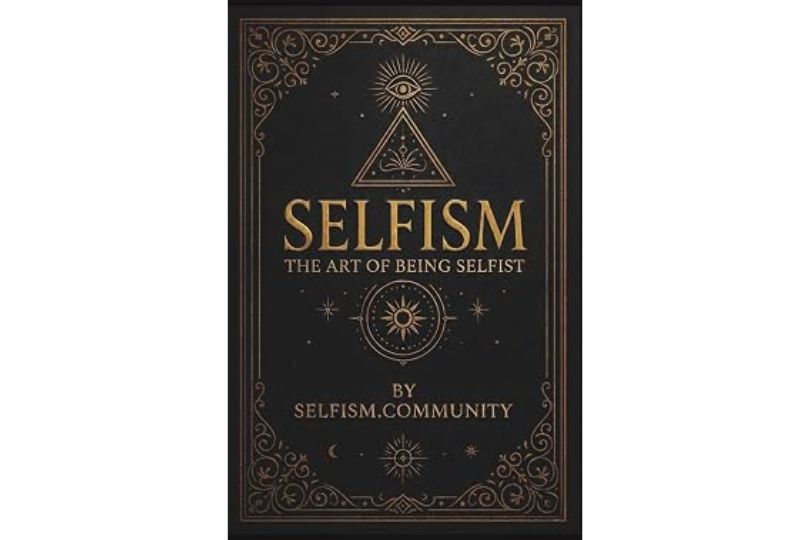
Selfism: The Art Of Being Selfist - Reclaiming Your Identity, Energy, and Boundaries
Selfism: The Art Of Being Selfist by Sandeep Jain explores a familiar but often overlooked experience: giving so much of yourself to others that you gradually lose sight of your own needs, identity and boundaries. Written for people who are constantly available, generous and responsible for everyone around them, the book presents self-care from a different perspective—not as an occasional reward, but as an everyday practice of self-preservation.
At the centre of the book is the philosophy of “Selfism,” which encourages readers to recognise that caring for themselves does not make them selfish. Instead, understanding personal needs, protecting one's energy and establishing healthy boundaries can form the foundation of a healthier relationship with oneself and, consequently, with others.
Book Summary
Selfism: The Art Of Being Selfist begins with a question many habitual caregivers may recognise: what happens when being there for everyone else leaves nothing of you for yourself?
The book focuses on people who continually put other people's needs before their own. They may be the ones who listen, help, solve problems, accommodate others and keep giving without asking what the constant giving is costing them.
Over time, this pattern can result in exhaustion and a diminished sense of personal identity. The individual remains present for everyone else but becomes increasingly disconnected from their own needs.
Sandeep Jain's concept of Selfism responds to this pattern by encouraging readers to reclaim their time, energy and sense of self. Rather than presenting self-care as simply treating oneself or occasionally taking a break, the book approaches it as a more fundamental practice of recognising one's own limits and needs.
Its framework encourages readers to stop apologising for having boundaries, distinguish between their responsibilities and the emotional burdens they have taken on from others, and become comfortable with saying “no” when necessary.
The underlying message is straightforward: continuously giving to others should not require abandoning yourself.
What Makes Selfism: The Art Of Being Selfist Different?
One of the book's distinguishing ideas is its attempt to separate self-care from selfishness.
For many people, especially those who naturally identify as generous or giving, prioritising themselves can create discomfort or guilt. Saying no may feel inconsiderate. Establishing boundaries may feel harsh. Taking time for oneself may seem like an indulgence.
Selfism challenges that mindset by reframing the conversation.
The philosophy suggests that recognising your own needs is not necessarily a rejection of others. Instead, it is about maintaining a relationship with yourself in which your needs, identity and limits are also given space.
The book therefore moves beyond generic advice about relaxation or occasional personal time. Its focus is on the everyday decisions through which people either preserve or continuously spend their emotional and personal energy.
Themes in Selfism: The Art Of Being Selfist
The Disappearing Self
A central theme is the gradual loss of identity that can occur when a person consistently prioritises everyone else.
Being generous and supportive can be positive qualities, but when they become constant self-neglect, the giver may eventually struggle to identify what they themselves want or need.
The book invites readers to notice this disappearance and begin reconnecting with their own identity.
Self-Care Without Guilt
The concept of Selfism encourages a broader understanding of self-care.
Instead of viewing self-care as something that needs to be earned or justified, the book presents attention to one's own well-being as an important part of everyday life. The emphasis is on self-preservation rather than indulgence.
Boundaries and the Power of “No”
Healthy boundaries are one of the book's most important subjects.
For people accustomed to accommodating others, saying no can be difficult. They may feel compelled to explain themselves, apologise or justify their limits.
Selfism encourages readers to reconsider this behaviour. A boundary does not necessarily require an apology, and protecting one's time or energy does not automatically mean failing someone else.
Reclaiming Time and Energy
The book also focuses on two resources that are easily depleted: time and energy.
When people continually respond to everyone else's needs, their own resources can become exhausted. Reclaiming these resources requires awareness of where they are going and a willingness to make different choices.
This is where Sandeep Jain's practical approach becomes particularly relevant. His work includes an eight-dimension self-assessment tool designed to help people identify where their energy may be getting drained and consider how they can begin to regain it.
Emotional Responsibility
Another important idea is learning to recognise which emotional burdens actually belong to you.
People who care deeply about others can sometimes absorb problems, expectations and emotional responsibilities that are not theirs to carry. The book encourages readers to examine this emotional baggage and understand where their responsibility ends.
Treating Yourself Like a Friend
At its heart, Selfism asks readers to extend the same understanding to themselves that they might naturally offer to a friend.
People often forgive others for having limitations while criticising themselves for the same things. The book encourages a shift towards greater self-understanding and acceptance of personal boundaries.
The Selfism Philosophy
Sandeep Jain's philosophy of Selfism is built around the idea that the relationship a person has with themselves matters.
Rather than asking readers to become less caring, the approach focuses on ensuring that care does not flow only outward.
This distinction is important. The book is not presented as an argument against generosity or relationships. Instead, it asks what happens when generosity consistently comes at the expense of the person giving it.
Selfism offers a framework through which readers can examine their habits, recognise patterns of over-giving and make space for their own needs.
The eight-dimension self-assessment tool further supports this practical orientation by encouraging self-reflection around where personal energy is being lost.
Writing Style
The book's approach is direct and accessible, matching its central message of confronting everyday patterns rather than hiding behind complicated terminology.
The premise is particularly relevant to readers who recognise themselves as chronic helpers, people-pleasers or relentlessly giving individuals. Its language and framework focus on practical self-awareness: understanding what drains you, recognising your limits and making conscious decisions about where your energy goes.
Rather than treating boundaries as abstract psychological concepts, Selfism brings them into ordinary interactions where saying yes, saying no, helping someone or taking time for yourself can become meaningful choices.
About the Author
Sandeep Jain is a writer and the founder of Selfism.Community, a platform focused on changing how people think and talk about self-care.
His work centres particularly on people who tend to lose their own identity while constantly caring for others. Through the philosophy of Selfism, he encourages individuals to recognise their own needs, identity and boundaries and to view self-care as an important part of maintaining healthier relationships.
Sandeep has also developed an eight-dimension self-assessment tool designed to help individuals identify where their energy is being drained and understand possible ways of regaining it.
Through his writing and work with Selfism.Community, he encourages people to reconsider the habit of apologising for their limits and to approach themselves with the same understanding and care they would extend to a friend.
Who Should Read Selfism: The Art Of Being Selfist?
This book may particularly resonate with readers who:
- Frequently put other people's needs before their own
- Struggle to establish or communicate personal boundaries
- Find it difficult to say no
- Feel guilty when prioritising themselves
- Experience the exhaustion associated with constantly giving to others
- Want to develop greater self-awareness
- Are interested in understanding where their time and energy are going
- Want to build a healthier relationship with themselves
- Are exploring self-care beyond conventional advice
- Want practical ways to think about identity, boundaries and personal energy
It can also be relevant to anyone who has ever wondered why being there for everyone else has gradually left them with less time, energy or attention for themselves.
Conclusion
Selfism: The Art Of Being Selfist presents self-care as something more fundamental than occasional relaxation or treating oneself. Through Sandeep Jain's philosophy of Selfism, the book focuses on the need to preserve one's identity, recognise personal needs, establish boundaries and become more conscious of where one's energy is being spent.
Its central idea is simple but significant: caring for others should not require disappearing from your own life.
By encouraging readers to question habitual over-giving, release emotional responsibilities that do not belong to them and become comfortable with setting limits, Selfism offers a practical framework for developing greater self-awareness and healthier relationships with oneself and others.
For anyone who has spent years being the person everyone can rely on while quietly running themselves empty, Selfism: The Art Of Being Selfist offers an invitation to pause, look inward and begin making room for the person who has been giving so much away.
Post a comment
0 comments

Trending Posts
.jpg)
.jpg)



.jpeg)


.jpg)

Recent Post
.jpg)
.jpg)





Related Post







© 2026 - Frontlist - News and Updates of Publishing Industry, Book Reviews, Education News, Author Interviews, and Videos.. All Rights Reserved.
Sorry! No comment found for this post.