Lal Ded: The Mother of Kashmir - A Review of Spirituality, Suffering and Inner Freedom
A review of Dr. Vaidehi Taman’s Lal Ded: The Mother of Kashmir, exploring Lal Ded’s spiritual journey, India’s women mystics, devotion, and the search for inner freedom.on Sep 25, 2026
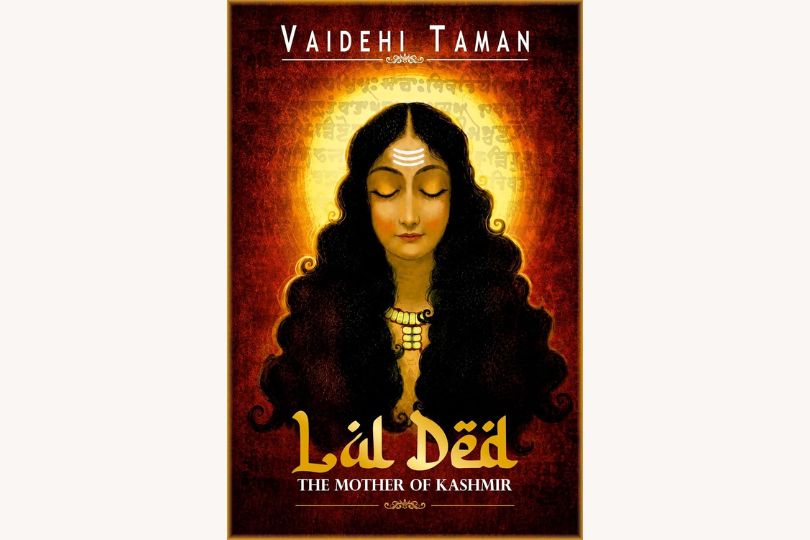
Lal Ded: The Mother of Kashmir - A Spiritual Journey Through India’s Mystical Feminine Tradition
Lal Ded: The Mother of Kashmir by Dr. Vaidehi Taman is a deeply reflective exploration of the life, wisdom, and enduring legacy of one of India's most revered mystics. At its centre is Lal Ded, the fourteenth-century Kashmiri yogini whose spiritual journey transformed personal suffering into a deeper experience of realisation.
In this Lal Ded: The Mother of Kashmir review, we explore a book that goes beyond a conventional biography. Through historical insight, evocative storytelling, spirituality, folklore, and personal reflection, Dr. Vaidehi Taman places Lal Ded within the wider tradition of India's women mystics, bringing together figures such as Gargi, Maitreyi, Andal, Muktabai, and Akka Mahadevi.
The result is an exploration of devotion, wisdom, surrender, inner freedom, and the enduring spiritual traditions that have shaped India's cultural and philosophical landscape.
Book Summary
Lal Ded: The Mother of Kashmir begins with the extraordinary story of Lal Ded, a fourteenth-century Kashmiri yogini whose life and teachings have continued to resonate across generations.
Her journey, marked by personal suffering and spiritual transformation, becomes the starting point for a larger exploration of India's sacred feminine tradition. Rather than limiting the narrative to Lal Ded's life, Dr. Taman places her alongside other women mystics who, across different centuries and regions, pursued truth and spiritual freedom in their own distinctive ways.
The book introduces readers to Gargi, Maitreyi, Andal, Muktabai, and Akka Mahadevi, creating a broader picture of India's spiritual heritage. Though their individual paths differed, their journeys were connected by devotion, wisdom, surrender, and a willingness to look beyond worldly limitations.
Through these stories, the book explores the relationship between personal experience and spiritual realisation. Suffering is not treated simply as an obstacle but becomes part of a transformative journey towards deeper understanding.
At the heart of the book is the idea that the spiritual path begins within. Lal Ded's legacy, therefore, becomes more than a historical subject; it becomes an invitation to reflect on one's own relationship with truth, devotion, identity, and inner freedom.
What Makes Lal Ded: The Mother of Kashmir Different?
One of the book's defining qualities is that it does not treat Lal Ded simply as a historical figure. Instead, Dr. Taman approaches her as part of a much larger spiritual and cultural tradition.
By bringing Lal Ded into conversation with other women mystics, the book expands its scope from one individual's life to the broader history of India's spiritual feminine tradition.
The combination of history, spirituality, folklore, storytelling, and personal reflection also gives the narrative a multidimensional character. Historical and spiritual perspectives come together without reducing the mystics' journeys to a single interpretation.
Another important aspect is the book's exploration of boundaries. Lal Ded's spiritual legacy is presented as something capable of transcending caste, creed, gender, geography, and religious divisions.
Themes in Lal Ded: The Mother of Kashmir
Lal Ded and Spiritual Realisation
Lal Ded's transformation from personal suffering towards spiritual realisation forms the foundation of the book. Her life becomes an example of how an individual's inner journey can acquire a significance that extends far beyond one lifetime.
The Sacred Feminine
Through Lal Ded and other women mystics, the book explores the presence and significance of the feminine within India's spiritual traditions. Their stories reveal different approaches to devotion, wisdom, surrender, and the search for truth.
Devotion and Inner Freedom
The mystics explored in the book chose spiritual truth over worldly limitations. Their journeys highlight the relationship between devotion and freedom, suggesting that liberation can begin with an inward transformation.
Beyond Social and Religious Boundaries
A significant idea running through the book is the universality of spiritual experience. Lal Ded's legacy is presented as one that transcends social and religious divisions, allowing her teachings to speak to people across different identities and communities.
Suffering as Transformation
Lal Ded's life demonstrates how personal suffering can become part of a deeper spiritual journey. The book explores the possibility of turning difficult experiences into opportunities for realisation and inner growth.
The Divine Within
The book ultimately returns to the idea that the journey towards the Divine begins within. This inward movement connects the stories of the mystics while offering readers a broader way of thinking about spirituality and self-discovery.
Writing Style
Dr. Vaidehi Taman brings together a number of different approaches in Lal Ded: The Mother of Kashmir. Historical material, spiritual reflection, folklore, and storytelling work alongside one another to create a narrative that is both informative and contemplative.
The writing allows the individual stories of the mystics to remain central while also connecting them to larger questions about devotion, truth, freedom, and human experience.
Rather than presenting spirituality as an abstract concept, the book approaches it through the lives and journeys of women who experienced it in deeply personal ways.
About the Author
Dr. Vaidehi Taman is a Maharashtra-based accredited journalist, author, and independent researcher with more than two decades of experience in independent media.
She is the Founder Editor of Afternoon Voice and The Democracy and has contributed to publications including The Times of India, The Free Press Journal, and Sunday Observer.
Her interests extend across journalism, literature, cybersecurity, and India's intellectual and spiritual traditions. As the founder of the Vedshastra Research Foundation, she researches Vedic traditions, Yoga, Tantra, Kashmir Shaivism, and India's philosophical heritage, with particular attention to Kashmir and figures such as Lal Ded and Abhinavagupta.
Dr. Taman is also the author of several books, including Abhinavagupta – The Voice of Eternal Shiva, Reclaiming Bharat, Vedopanishad, and The Last Cradle. Her work has been recognised by the World Book of Records, featured in Forbes, and presented through TEDx.
Her background in research and her engagement with India's intellectual and spiritual traditions inform the perspective she brings to Lal Ded: The Mother of Kashmir.
Who Should Read Lal Ded: The Mother of Kashmir?
This book may appeal to readers interested in:
- Lal Ded and Kashmiri spiritual traditions
- Indian mysticism and philosophy
- Women mystics of India
- Bhakti and spiritual literature
- Yoga and inner exploration
- Indian cultural and intellectual history
- Kashmir's spiritual heritage
- The sacred feminine
- Personal and spiritual transformation
It can also appeal to readers who enjoy books that combine historical exploration with spiritual reflection and cultural storytelling.
Conclusion
Lal Ded: The Mother of Kashmir is an exploration of a remarkable mystic and the larger spiritual tradition in which her legacy belongs. By placing Lal Ded alongside figures such as Gargi, Maitreyi, Andal, Muktabai, and Akka Mahadevi, Dr. Vaidehi Taman creates a broader portrait of India's women mystics and their search for truth.
The book's combination of history, folklore, spirituality, and personal reflection allows Lal Ded's story to be approached not merely as a chapter from the past, but as a continuing spiritual conversation.
At its heart, Lal Ded: The Mother of Kashmir carries a timeless message: the journey towards the Divine is ultimately an inward one. Through the lives of these women mystics, the book invites readers to reflect on devotion, wisdom, surrender, courage, and the possibility of discovering freedom within.
Post a comment
0 comments

Trending Posts
.jpg)
.jpg)


.jpeg)


.jpg)

Recent Post
.jpg)
.jpg)



Related Post







© 2026 - Frontlist - News and Updates of Publishing Industry, Book Reviews, Education News, Author Interviews, and Videos.. All Rights Reserved.
Sorry! No comment found for this post.